




Original Article - Year 2026 - Volume 41Issue 1
Epidemiological Profile of Burn Cases in Ceará, Brazil
Perfil epidemiológico dos casos de queimaduras no Ceará, Brasil
Benjamim Antônio Pinheiro Vieira1, ; Erick Teodosio Aguiar1; Anna Leticia Bomfim1; Larissa Farias de Sousa1; Larah Silva Felix1; Edejonas Alves Nascimento1; Marcela Campelo Fontenelle1; Vicente Bruno Guimarães2
ABSTRACT
Introduction This study aims to outline the epidemiological profile of burn victims in Ceará, highlighting the need for prevention campaigns and improvements in healthcare. Objectives To present data on the profile of burn victims in the state of Ceará, Brazil.
Materials and Methods This ecological study used data from the Department of Informatics of the Brazilian Unified Health System (DATASUS) between January 2015 and June 2024.
Results The epidemiological study analyzed 7,892 burn patients in Ceará, revealing a predominance of males (66.7%), with the highest number of hospitalizations in adults aged 20 to 59 years (58%), followed by children aged 1 to 9 years (20%). Notably, children aged 1 to 4 years accounted for a significant 70% of pediatric admissions. The majority of recorded care was for emergency services (87%), at SUS units. The data indicate that most affected patients were Brown, male, adult, and SUS-dependent subjects from the Fortaleza metropolitan region, underscoring the need for targeted prevention and awareness campaigns about burns, especially in domestic and workplace environments.
Conclusion The data presented in the study reveal that the predominant profile of burn victims in Ceará consists of Brown males aged 20 to 59 years, highlighting the need for attention from authorities. This study fills a gap in the literature on burn epidemiology in Ceará, providing crucial information for the formulation of public policies and health actions.
Keywords: epidemiology; preventive medicine; skin; burns; transplantation
RESUMO
Introdução Este estudo busca traçar o perfil epidemiológico das vítimas de queimaduras no Ceará, destacando a necessidade de campanhas de prevenção emelhorias nos cuidados de saúde. Objetivos Apresentar dados a respeito do perfil das vítimas de queimaduras no Estado do Ceará.
Materiais e Métodos Estudo ecológico, realizado com dados do Departamento de Informática do Sistema Único de Saúde (DATASUS), entre janeiro de 2015 e junho de 2024.
Resultados O estudo epidemiológico analisou 7.892 pacientes vítimas de queimaduras no Ceará, revelando predominância do sexo masculino (66,7%). O maior número de internações foi registrado em adultos de 20 a 59 anos (58%), seguidos por crianças de 1 a 9 anos (20%). Vale notar que crianças de 1 a 4 anos representaram 70% dos internamentos infantis. O atendimento majoritariamente registrado foi o de urgência (87%), sendo a maioria dos casos realizados nas unidades do SUS. Os dados indicam que homens pardos, adultos, dependentes do SUS e da região metropolitana de Fortaleza são os principais afetados, reforçando-se a necessidade de campanhas direcionadas à prevenção e conscientização sobre queimaduras, especialmente em ambientes domésticos e de trabalho.
Conclusão Os dados apresentados pelo estudo revelam que o perfil predominante de vítimas de queimaduras no Ceará são homens pardos entre 20 e 59 anos, destacando a necessidade de atenção das autoridades. O presente estudo preenche uma lacuna na literatura sobre a epidemiologia das queimaduras no Ceará, oferecendo informações cruciais para a formulação de políticas públicas e ações de saúde.
Palavras-chave: epidemiologia; medicina preventiva; pele; queimaduras; transplantes
Introduction
The Brazilian Burn Society (SBQ, from Sociedade Brasileira de Queimaduras) defines a burn as any injury resulting from direct contact with hot or cold substances, whether chemi-cally active, electrically charged, or radioactive. The SBQ also considers venomous animals or stinging plants as causes of burns. In some cases, this injury elicits a potent inflammato-ry reaction, which may trigger a dangerous systemic re-sponse when a burn affects at least 30% of the body due to the release of cytokines and other inflammatory mediators.1
The World Health Organization (WHO) reports that burns kill an average of 180,000 people worldwide each year. The causes of injury vary among different populations, but trauma remains a fundamental epidemiological compo-nent,2 with 11 million burn victims requiring specialized care globally per year.2 This figure exceeds the recorded incidence of tuberculosis and human immunodeficiency virus (HIV).3
Brazil witnesses, on average, 1,000,000 accidents per year, with 100,000 patients seeking hospital care, and around 2,500 cases resulting in death.3,4 According to the Depart-ment of Informatics of the Brazilian Unified Health System (DATASUS) and SBQ, heat exposure resulting in burns gen-erates costs of approximately R$ 1,200.00 to 1,500.00 per day of hospitalization,4 amounting to a significant expenditure on the Brazilian public health system (SUS). In 2000, for instance, of all SUS hospitalizations, 3.39% (n = 23,550) were of burn victims.4 In 2023, burns affected 6,981 children and adolescents, with an average of 20 hospitalizations regis-tered per day, according to the Brazilian Ministry of Health. Scientific literature shows that burns mostly affects males, with alcoholism being the chief cause at all ages, except for the age group from 0 to 4 years old, in which scalding is the most common etiological agent, originating from the domestic kitchen environment.5 Theoretical bases also confirm that the mean age of burn victims ranges from 25 to 26 years, with a high number of first-degree burns alone, as well as a significant number of combined first-and second-degree burns.5
Other academic findings reveal that the average length of hospital stay for burn victims ranges from 1 to 2 weeks, and 51.5% of cases recorded in databases result from domestic accidents, with hot liquids as the most common cause. Fur-thermore, there is a low rate for attempted suicide (4.95%).6
As such, epidemiological studies are fundamental to establishing guidelines for healthcare practices and health promotion actions (such as university extension campaigns for burn prevention and projects improving treatment effec-tiveness for burn victims).7 For these reasons, and consider-ing the scarcity of epidemiological research on this topic in the state of Ceará, Brazil, this study is essential for outlining the epidemiological profile of burn victims in this region for a period of approximately 9 years.
Objectives
This study aimed to present data on the profile of burn victims in the state of Ceará, Brazil, and their epidemiology, aiming to inform projects to combat this adverse scenario. Moreover, it aimed to address research gaps in this subject within the state.
Materials and Methods
This ecological study collected data from 2015 to the first semester of 2024 from the virtual environment of the DATA-SUS,8 using the “Health Information” section.
Data selection on this platform focused on the topics “Epidemiology and Morbidity” and “Hospital Mobility (SUS)”. Initially, “Hospital Morbidity (SUS) - General, by place of admission, from 2008 onwards” was preferred. The data refer to all burn victims in the state of Ceará with recorded hospital care during this period. There were no exclusion criteria.
Individual characteristics, such as sex, age group, and skin color/ethnicity, were added as variables. Next, the diagnosis “burns and corrosions” was selected in the “International Classification of Diseases (ICD)-10 morbidity list” filter. Furthermore, information on the healthcare system (public or private), the notification region, and the type of healthcare provided was researched.
We compared some factors, including sex and age group, sex and skin color/ethnicity, and sex and urgent care. We categorized the patients into five age groups: infants (< 1-year-old), children (1-9-years-old), adolescents (10-19-years-old), adults (20-59-years-old), and seniors (> 60-years-old). We organized the data on Google Sheets (Google LLC.) and presented the results as absolute and relative figures using descriptive statistics.
Since this study utilized secondary data available in the public domain, it posed no risk to patient confidentiality and anonymity. Thus, it did not require approval from the Re-search Ethics Committee of the Universidade Estadual do Ceará.
Results
This study analyzed 7,892 burn victims from the state of Ceará in the period from 2015 to the first semester of 2024. We stratified the population per skin color/ethnicity, sex, age group, healthcare system (public or private), urgency of care, and notification region year by year (►Table 1).
| Year | 2015 | 2016 | 2017 | 2018 | 2019 | 2020 | 2021 | 2022 | 2023 | 2024 | TOTAL |
|---|---|---|---|---|---|---|---|---|---|---|---|
| Skin color/ethnicity | |||||||||||
| Black | 4 | 15 | 9 | 9 | 20 | 17 | 18 | 6 | 4 | 3 | 105 |
| Brown | 69 | 628 | 662 | 688 | 590 | 393 | 257 | 323 | 948 | 582 | 5,140 |
| White | 16 | 85 | 40 | 62 | 100 | 63 | 48 | 29 | 25 | 8 | 476 |
| Asian | 5 | 112 | 56 | 97 | 117 | 116 | 50 | 33 | 9 | 0 | 595 |
| No information | 626 | 100 | 58 | 41 | 58 | 86 | 365 | 242 | 0 | 0 | 1,576 |
| Sex | |||||||||||
| Male | 513 | 644 | 534 | 615 | 585 | 470 | 499 | 401 | 622 | 381 | 5,264 |
| Female | 207 | 296 | 291 | 282 | 300 | 205 | 239 | 232 | 364 | 212 | 2,628 |
| Age range | |||||||||||
| Infants | 11 | 16 | 17 | 8 | 16 | 10 | 14 | 15 | 8 | 10 | 125 |
| Children | 153 | 202 | 134 | 173 | 152 | 133 | 154 | 175 | 181 | 138 | 1,595 |
| Adolescents | 61 | 106 | 85 | 86 | 79 | 62 | 54 | 43 | 134 | 31 | 741 |
| Adults | 425 | 529 | 520 | 521 | 514 | 407 | 423 | 356 | 556 | 332 | 4,583 |
| Seniors | 70 | 87 | 69 | 109 | 124 | 63 | 93 | 44 | 107 | 82 | 848 |
| Healthcare system | |||||||||||
| Public | 562 | 562 | |||||||||
| Private | 50 | 50 | |||||||||
| Unknown | 108 | 940 | 825 | 897 | 885 | 675 | 738 | 633 | 986 | 590 | 7,277 |
| Type of healthcare provided | |||||||||||
| Elective | 6 | 2 | 5 | 3 | 3 | 3 | 5 | 11 | 84 | 49 | 171 |
| Urgent | 657 | 812 | 702 | 805 | 744 | 583 | 632 | 554 | 837 | 529 | 6,855 |
| Other | 46 | 119 | 117 | 84 | 129 | 88 | 94 | 59 | 60 | 15 | 811 |
| Chemical or physical agent | 11 | 7 | 1 | 5 | 9 | 1 | 7 | 9 | 5 | 0 | 55 |
| Notification region | |||||||||||
| East shore/Jaguaribe | 4 | 4 | 3 | 5 | 5 | 10 | 15 | 18 | 12 | 10 | 86 |
| Central hinterland | 2 | 13 | 4 | 17 | 16 | 16 | 10 | 13 | 16 | 8 | 115 |
| Cariri | 48 | 44 | 31 | 33 | 31 | 26 | 48 | 38 | 37 | 17 | 353 |
| Sobral | 32 | 32 | 49 | 40 | 51 | 38 | 50 | 24 | 29 | 22 | 367 |
| Fortaleza | 634 | 847 | 738 | 802 | 782 | 585 | 615 | 540 | 892 | 536 | 6,971 |
Source: Table prepared by the authors using data from TABNET.
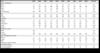
Thus, we could determine that, in Ceará, burns were more predominant in male subjects, accounting for approximately 66.7% of notifications. Regarding the age group, the number of hospitalizations was higher in adults (20-59-years-old), with approximately 58% (n = 4,583) of notifications, fol-lowed by children (1-9-years-old), with around 20% (n = 1,595) of notifications. It is worth highlighting that subjects aged 1 to 4 accounted for 1,112 notifications, representing approximately 70% of the cases among children (►Table 1).
Moreover, approximately 87% (6,855) of notifications required emergency care. Most of the registered cases re-ceived treatment in SUS (►Table 2).
| Healthcare system/type | Public n (%) | Private n (%) | Unknown n (%) | Total n (%) |
|---|---|---|---|---|
| Total | 562 (7.1%) | 50 (0.63%) | 7,280 (92.2%) | 7.892 |
| Elective | 5 (2.9%) | 1 (0.7%) | 165 (96.4%) | 171 (2.1%) |
| Urgency | 526 (7.6%) | 41 (0.59%) | 6,288 (91.7%) | 6,855 (86.8%) |
| Other traffic accidents | 27 (3.3%) | 3 (0.36%) | 781 (96.3%) | 811 (10.2%) |
| Chemical or physical agent | 4 (7.2%) | 5 (9%) | 46 (83.6%) | 55 (0.69%) |
Source: Table prepared by the authors using data from TABNET.

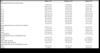
We compared several variables to perform a specific analysis of the population. These comparisons included sex and age group, sex and skin color/ethnicity, sex and health-care system, as well as sex and type of healthcare provided (►Table 3). The analysis revealed a predominance of adult, Brown, male subjects, with a higher prevalence of emergency notifications in the public sector.
| Sex | Male n (%) | Female n (%) | Total n (%) |
|---|---|---|---|
| Relationship between sex and age group | |||
| < 1 | 79 (63.2%) | 46 (36.8%) | 125 (1.6%) |
| 1-4 | 680 (61.2%) | 432 (38.8%) | 1,112 (14.1%) |
| 5-9 | 284 (58.8%) | 199 (41.2%) | 483 (6.1%) |
| 10-14 | 226 (73.1%) | 83 (26.9%) | 309 (3.9%) |
| 15-19 | 321 (74.3%) | 111 (25.7%) | 432 (5.5%) |
| 20-29 | 919 (72.1%) | 356 (27.9%) | 1,275 (16.1%) |
| 30-39 | 1,026 (68.5%) | 472 (31.5%) | 1,498 (18.9%) |
| 40-49 | 804 (70.8%) | 331 (29.2%) | 1,135 (14.4%) |
| 50-59 | 445 (65.9%) | 230 (34.1%) | 675 (8.5%) |
| 60-69 | 265 (59.7%) | 179 (40.3%) | 444 (5.6%) |
| 70-79 | 163 (60.2%) | 108 (39.8%) | 271 (3.4%) |
| 2: 80 | 55 (41.4%) | 78 (58.6%) | 133 (1.7%) |
| Relationship between sex and skin color/ethnicity | |||
| White | 293 (61.5%) | 183 (38.5%) | 476 (6.03%) |
| Black | 71 (67.6%) | 34 (32.4%) | 105 (1.3%) |
| Brown | 3,383 (65.8%) | 1,757 (34.2%) | 5,140 (65.1%) |
| Asian | 412 (69.2%) | 183 (30.8%) | 595 (7.5%) |
| No information | 1,105 (70.1%) | 471 (29.9%) | 1,576 (19.9%) |
| Relationship between sex and healthcare type | |||
| Elective | 112 (65.5%) | 59 (34.5%) | 171 (2.2%) |
| Urgent | 4,475 (65.3%) | 2,380 (34.7%) | 6,855 (86.8%) |
| Other traffic accidents | 643 (79.3%) | 168 (20.7%) | 811 (10.3%) |
| Chemical or physical agent | 34 (61.9%) | 21 (38.1%) | 55 (0.7%) |
| Relationship between sex and healthcare system | |||
| Public | 410 (72.9%) | 152 (27.1%) | 562 (7.1%) |
| Private | 32 (64%) | 18 (36%) | 50 (0.63%) |
| Unknown | 4,822 (66.2%) | 2,458 (33.8%) | 7,280 (92.2%) |
Source: Table prepared by the authors using data from TABNET.
Discussion
The literature reveals that males account for most burn cases in Brazil.9 This also occurs in Ceará, where more than 70% of burns affected male subjects in our analysis. From this perspective, the injuries suffered by this group likely stem from high-risk work, which increases the likelihood of accidents, in this case, burn injuries.
Regarding age group, the results indicate that adults (20-59-years-old) account for the majority of notifications. The existing literature corroborates this trend,8 thus placing Ceará as a significant element in the statistics showing that adult men account for the most burn notifications in the country. This finding highlights the importance of prioritizing educational projects focused on adult males.
The fact that most notifications occur in people from 20 to 59-years-old is worrisome, as this demographic represents the economically active portion of the population.9,10 The impact on the Brazilian economy also results from the mean daily expenditure of R$ 1,350 on burn victims10 who spend, on average, 7 days in the hospital.4 As such, each hospitalized burn patient incurs a cost of R$ 9,450, significantly impacting SUS.9
In a descriptive study, Santos et al. reported that most accidents referred to a tertiary hospital in Fortaleza originate from the work environment, with a predominance of first-and second-degree burns.11
Regarding children in this cohort, the literature shows that most subjects were 0 to 3-years-old.12,13 In Ceará, DATASUS revealed that the age group most affected by these injuries is 1 to 4 years old. This finding represents a warning for the state, as studies reported that the sequelae of burns consistently affect quality of life,14 influencing their body image.14 These outcomes can be worse in children due to their developmental compromise.12-14
The literature on children suffering from burn injuries in Ceará is scarce. In an observational study, Secundo et al. reported that second-degree burns were the most common among children.15 Furthermore, reports indicated that areas such as the head, neck, trunk, and upper limbs are the most affected by burns in this age group.15,16
Our results are consistent with the literature that indi-cates that most burn victims are Brown.11,16 Thus, we determined a profile fitting the majority of the Ceará popu-lation, that is, male Brown adults. This profiling is essential for referencing projects on the reality of burn injuries in Ceará. Additionally, it can assist in decision-making for the intended audiences of various health education programs.
Regarding the healthcare system and type of healthcare provided, our data revealed that emergency care is more frequent in the public sector. This result was expected, given that 80% of Brazilians use SUS hospitals, according to the Ministry of Health. Urgent care for burns was also expected,17 given the treatment protocol, particularly for secondand third-degree injuries.17,18
In our study, a limitation was the cases ignored by the DATASUS system, which reduced the numbers related to the healthcare system in Brazil, as confirmed by the research results.
As for the notification regions in Ceará, the greater Fortaleza area accounted for the majority of cases. This result was also expected, as the 2022 census revealed that this region has the largest population in the state. The second and third regions with the highest number of notifications were Sobral and Cariri, which present the largest populations after Fortaleza. These two regions had a minimal difference in case numbers and can be considered virtually equal. However, Fortaleza had a significant number of reports, approximately 88%.
As discussed throughout this article, data clearly demon-strated that Brown men aged 20 to 59-years, SUS users, and from the greater Fortaleza area are the primary victims of burn reports in Ceará. This observation highlights the spe-cific target population for future action and education proj-ects aimed at stemming this adverse situation. This study is innovative due to the scarcity of research on this topic in Ceará, focusing on profiling the burn population. Therefore, the government and the state’s universities must seek sol-utions to improve this scenario.
Another point worth highlighting is the care for subjects aged 1 to 4 in the state, as the number of notifications involving them deserves attention. We also suggest and the promoting campaigns to stop and reduce cases in this age group, which, according to the data, is the most affected by burns among children in Ceará.
Conclusion
Our results showed that most burn patients in Ceará are Brown men, 20 to 59-years-old, corroborating the need for local authorities to address this issue. Also, an age group outside the majority of cases requires further evaluation.
The present study thus enriches the scientific community, filling a gap in articles addressing this topic and scope in the state of Ceará. Furthermore, it highlighted the need for programs and projects promoting health, to mitigate this situation.
REFERENCES
1. Porto LAB, Monteiro AML, Santos SF, Souza C. Epidemiology of patients treated at the Risoleta Tolentino Neves Hospital accor-ding to the type of pre-hospital care. Rev Med Minas Gerais 2015; 25(02):181-185. Doi: 10.5935/2238-3182.20150036
2. Nascimento JHF, Souza BM Filho, Tomaz SC, et al. Self-inflicted burns in Brazil: systematic review and meta-analysis. Rev Col Bras Cir 2024;51:e20243665. Doi: 10.1590/0100-6991e-20243665-en
3. Santos Junior RA, Silva RLM, Lima GL, Cintra BB, Borges KS. Perfil epidemiológico dos pacientes queimados no Hospital de Urgên-cias de Sergipe [Epidemiological profile of burned patients at the Emergency Hospital of Sergipe]. Rev Bras Queimaduras 2016;15 (04):251-255
4. Lins L, Ferreira P, Gomes JJ Neto, Alves RA. Perfil epidemiológico dos pacientes vítimas de queimaduras no estado da Bahia no período de 2009 a 2018 [Epidemiological profile of burn victims in the state of Bahia from 2009 to 2018]. Rev Bras Queimaduras 2019;18(01):33-38
5. Cruz BF, Cordovil PBL, Batista KNM. Perfil epidemiológico de pacientes que sofreram queimaduras no Brasil: revisão de litera-tura [Epidemiological profile of patients who suffered burns in Brazil: literature review]. Rev Bras Queimaduras 2012;11(04): 246-250
6. Cunha CB, Campos RC, Azevedo TAM, Gianini VHA, Alves BB, Cava-lheiro LT. Perfil clínico e epidemiológico de pacientes vítimas de queimaduras, um estudo retrospectivo [Clinical and epidemiological profile of burn victims, a retrospective study]. Rev Bras Cir Plást 2023; 38(04):e0730. Doi: 10.5935/2177-1235.2023RBCP0730-PT
7. Franco LJ. A pesquisa em Epidemiologia: dificuldades e perspec-tivas. Saude Soc 1995;4(1-2):31-34. Doi: 10.1590/S0104-12901995000100006
8. Ministério da Saúde. DATASUS - Informações de Saúde (TABNET). Ministério da Saúde - DATASUS. 2024. Available from: https://datasus.saude.gov.br/informacoes-de-saude-tabnet/
9. Maekawa LS, Takemura RE. Avaliação do perfil epidemiológico dos pacientes vítimas de queimadura nas diferentes regiões brasileiras antes e depois da pandemia de COVID-19 [Evaluation in the epidemiological profile of patients with burns in different Brazilian regions before and after the COVID-19 pandemic]. Rev Bras Queimaduras 2022;21(01):3-9
10. França LZH, Nogueira DNG, Zampar EF, Oliveira LC, Jericó MC, Fuganti CCT. Avaliação dos custos de um Centro de Tratamento de Queimados [Cost assessment of a Burn Treatment Center]. Rev Bras Queimaduras 2023;22(01):9-16. Doi: 10.5935/2595-170X.20230003
11. Santos GP, Freitas NA, Bastos VD, Carvalho FF. Perfil epidemioló-gico do adulto internado em um centro de referência em trata-mento de queimaduras [Epidemiologic profile of adult admitted to a reference center in burn treatment]. Rev Bras Queimaduras 2017;16(02):81-86
12. Santana VBRL. Perfil epidemiológico de crianças vítimas de queimaduras no Município de Niterói - RJ [Epidemiological profile of children burn victims of burning in Niterói - RJ]. Rev Bras Queimaduras 2010;9(04):136-139
13. Silvestrim PR, Pimenta SF, Zampar EF, Pimenta RA. Perfil clínico-epidemiológico das queimaduras em crianças hospitalizadas em centro especializado [Clinical-epidemiological profile of burns in children hospitalized in a specialized center]. Rev Bras Queima-duras 2023;22(01):32-39. Doi: 10.5935/2595-170X.20230006
14. Rocha JLFN, Canabrava PBE, Adorno J, Gondim MFN. Qualidade de vida dos pacientes com sequelas de queimaduras atendidos no ambulatório da unidade de queimados do Hospital Regional da Asa Norte [Quality of life of outpatients with burn sequelae from burn unit of Hospital Regional da Asa Norte]. Rev Bras Queima-duras 2016;15(01):3-7
15. Secundo CO, Silva CCM, Feliszyn SR. Protocolo de cuidados de enfermagem ao paciente queimado na emergência: Revisão inte-grativa da literatura [Protocol of nursing care for the burnt patient in the emergency: Integrative review of the literature]. Revista Brasileira De Queimaduras 2019;18(01):39-46
16. Queiroz JHM, Barreto KL, Lima JS. Crianças vítimas de queima-duras hospitalizadas em centro de referência de Fortaleza-Ceará em 2017 [Children victims of burns hospitalized in Fortaleza-Ceará reference center in 2017]. Rev Bras Queimaduras 2019;18 (01):23-26
17. Echevarría-Guanilo ME, Gonçalves N, Farina JA, Rossi LA. Assess-ment of health-related quality of life in the first year after burn [Avaliação da qualidade de vida relacionada à saúde no primeiro ano após a queimadura]. Esc Anna Nery 2016;20(01):155-166. Doi: 10.5935/1414-8145.20160021
18. Montes SF, Barbosa MH, Sousa AL Neto. Clinical and epidemiolo-gical aspects of burned patients hospitalized in a teaching hospi-tal [Aspectos clínicos e epidemiológicos de pacientes queimados internados em um Hospital de Ensino]. Rev Esc Enferm USP 2011; 2(45):369-373. Doi: 10.1590/s0080-62342011000200010
1. Medicine Program, Centro de Ciências da Saúde, Universidade Estadual do Ceará,
Fortaleza, CE, Brazil
2. Faculdade de Ciências da Saúde do Sertão Central (Facisc), Universidade Estadual
do Ceará, Quixeramobim, CE, Brazil
Address for correspondence Benjamim Antônio Pinheiro Vieira, Universidade Estadual do Ceará, Curso de Medicina, Fortaleza, CE, Brazil (e-mail: benjamim.vieira@aluno.uece.br).
Article received: January 25, 2025.
Article accepted: July 14, 2025.
Conflict of Interests
The authors have no conflict of interests to declare.
 Read in Portuguese
 Read in English
 PDF PT
 Print
Print
 Send this article by email
 How to Cite
 Mendeley
 Pocket
 Facebook
 Twitter